MFI narrows the search—it does not finish it
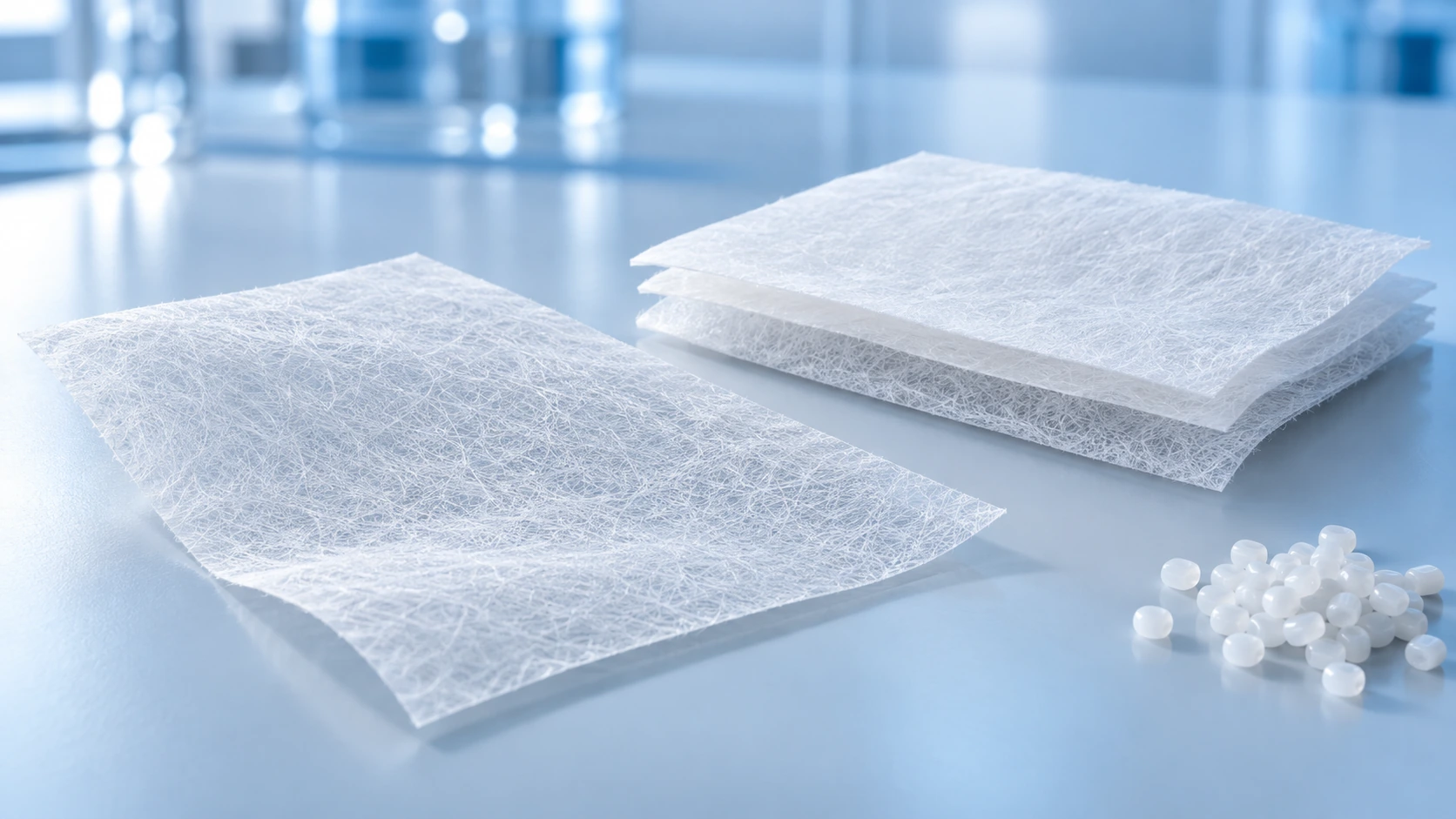
MFI is one of the first numbers discussed for PP meltblown because it relates to how readily the polymer flows under a defined test condition. It is useful for initial screening, but it cannot by itself predict fiber formation, web uniformity, filtration efficiency, pressure drop or stable output.
The production line changes the usable window
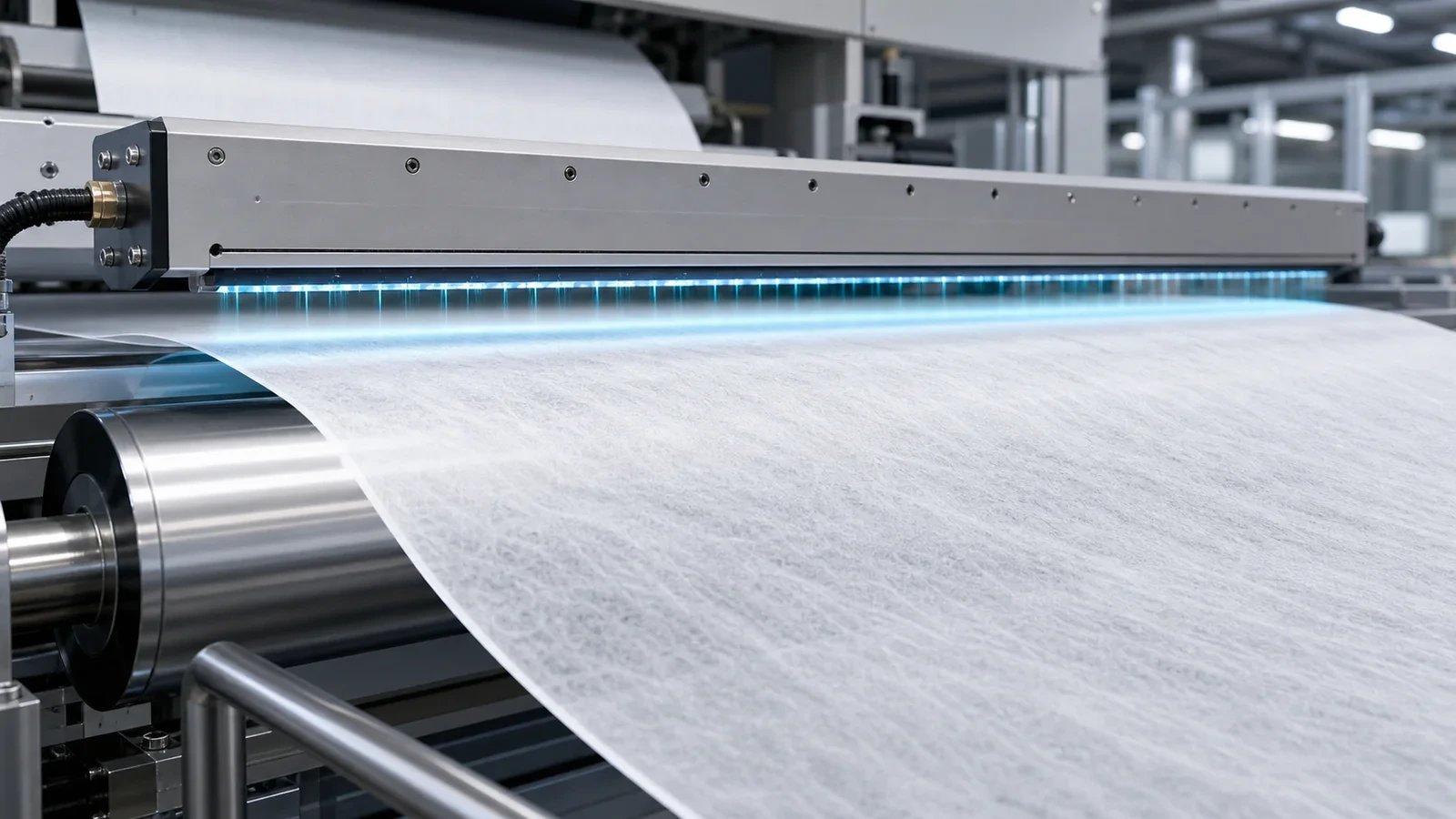
Die design, hole density, throughput, temperature profile, hot-air settings and the current degradation route all affect how a resin behaves. Two lines using the same nominal MFI can produce different fiber and web results.
- Line and die configuration
- Throughput and temperature profile
- Air temperature and pressure
- Current resin and additive package
The fiber and web target matter
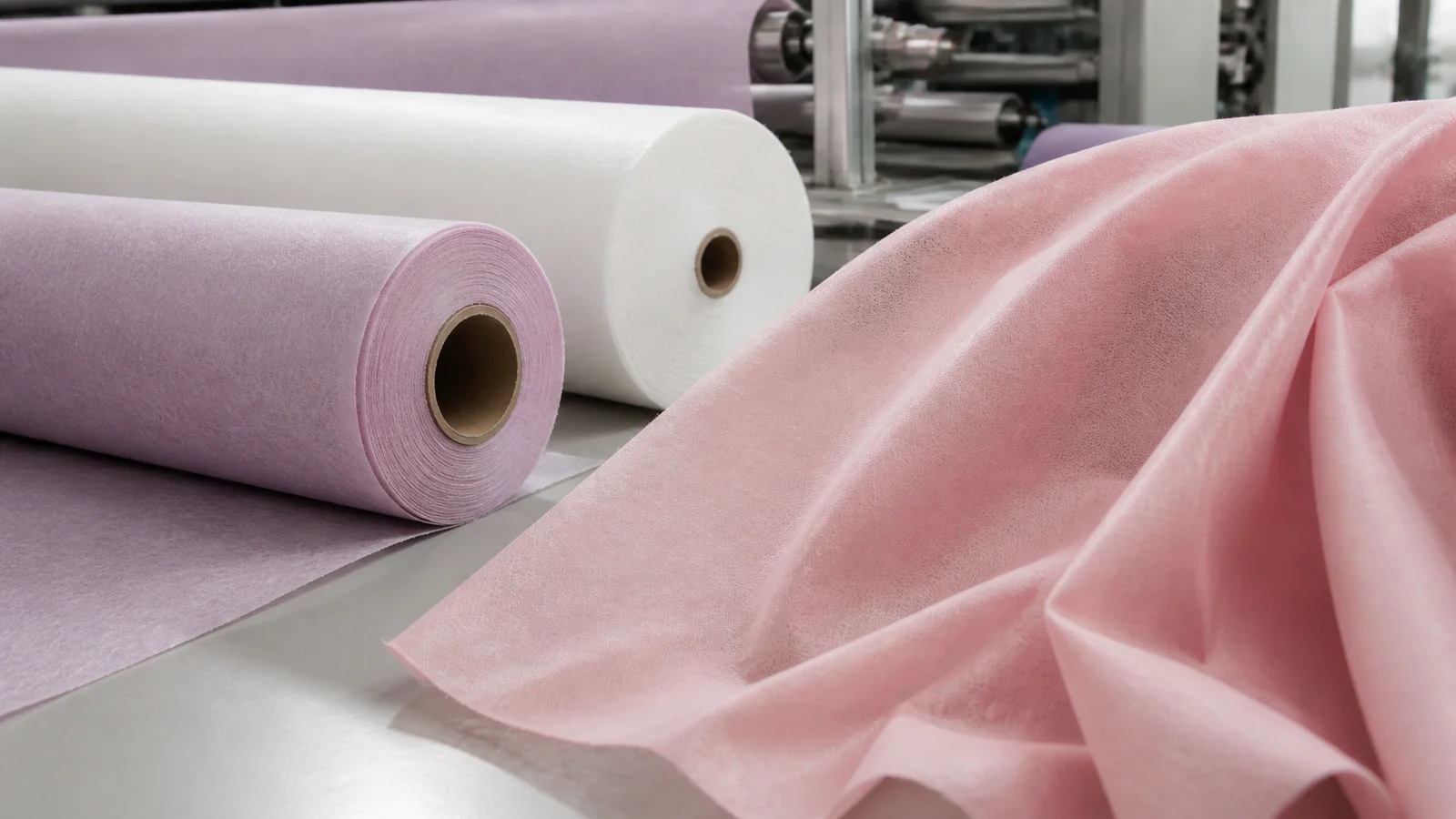
A fine-fiber filtration web and a general industrial absorbent web do not ask the same questions of the resin. Basis weight, fiber fineness, uniformity and downstream lamination should be discussed together with the MFI window.

Performance must be tied to a test method
Filtration efficiency and pressure drop are system results. Aerosol, flow rate, sample conditioning, fabric structure and electret route can all change the measured outcome. A resin data sheet is therefore a selection reference rather than a finished-web guarantee.
A faster first review
To compare PP meltblown materials, send the current grade/MFI, line supplier or die information, target basis weight and fiber, end use, test method and approximate monthly volume. This gives the application team enough context to choose a sensible trial window.
- Current PP grade and MFI test condition
- Line supplier, die information and normal throughput
- Target basis weight, fiber or web structure
- End use and required test method
- Known pressure, odor or ash constraints