Flame retardant does not mean fireproof
Flame-retardant materials are evaluated by their response under specified test conditions. The ignition direction, flame application, specimen orientation, measured result and acceptance criteria can differ by standard and end use.
Begin with the customer’s application and required test method. A vertical textile test, a vehicle-interior horizontal burning test and another industrial method do not create interchangeable results.
Define the specimen that will be tested
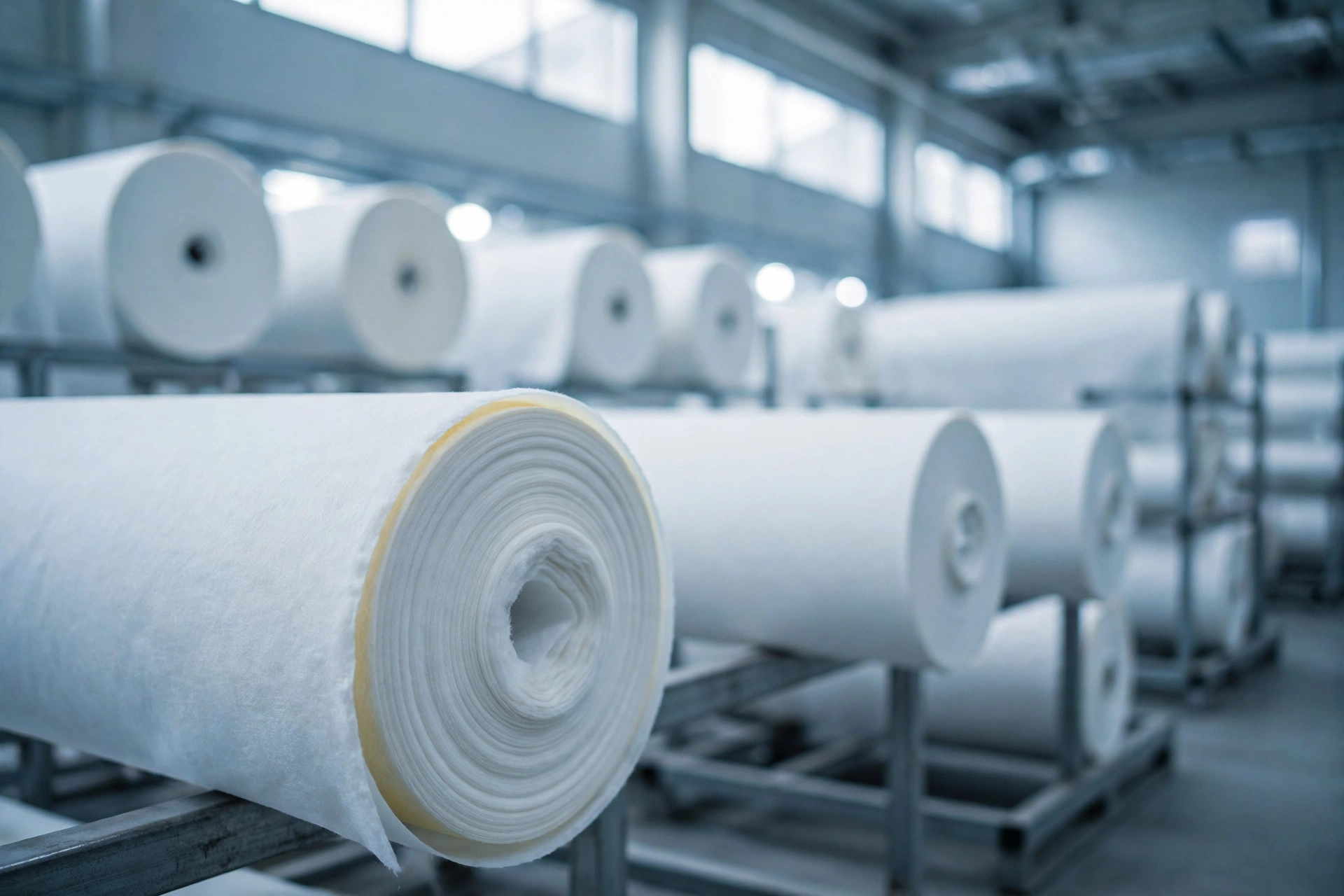
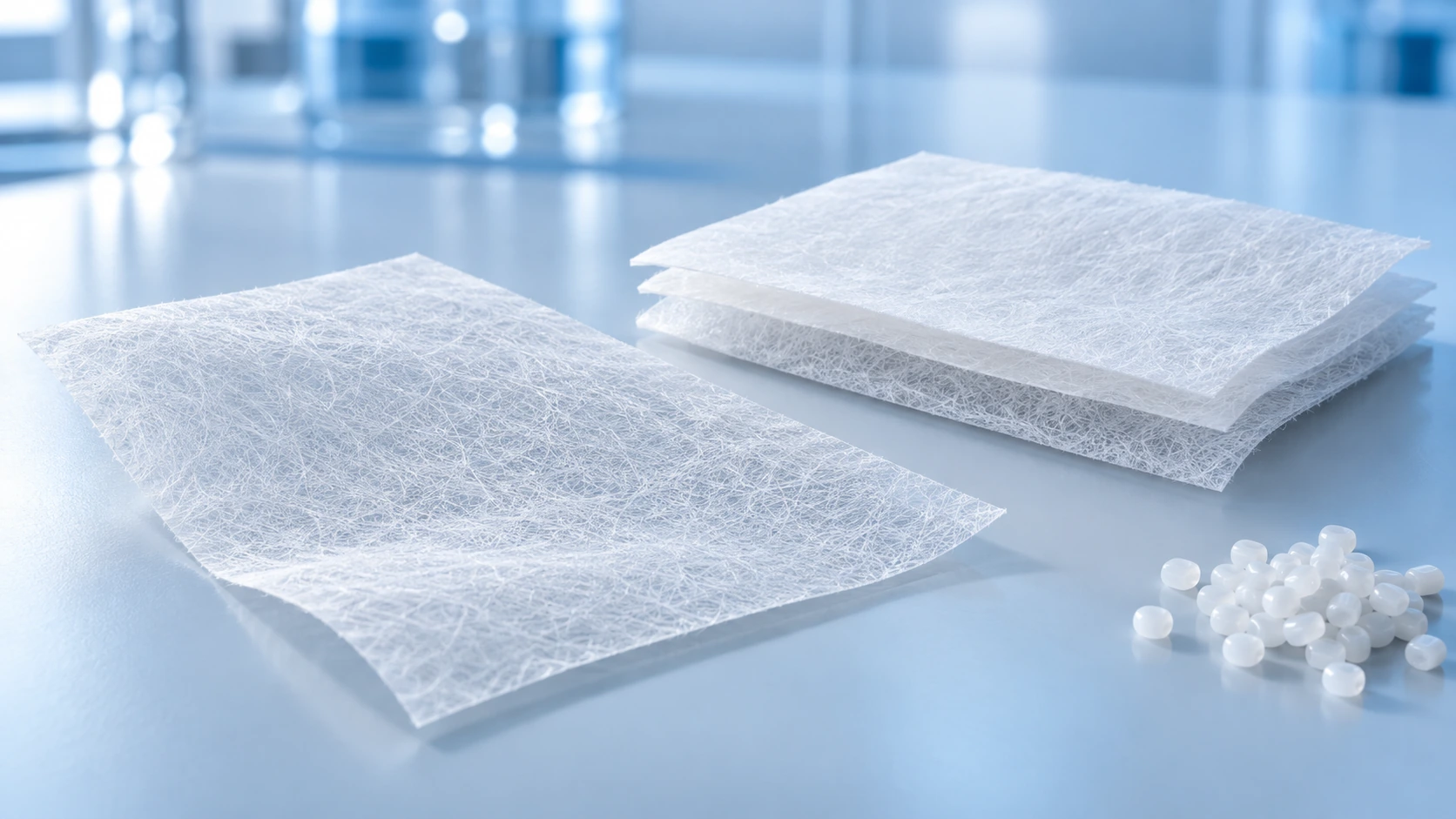
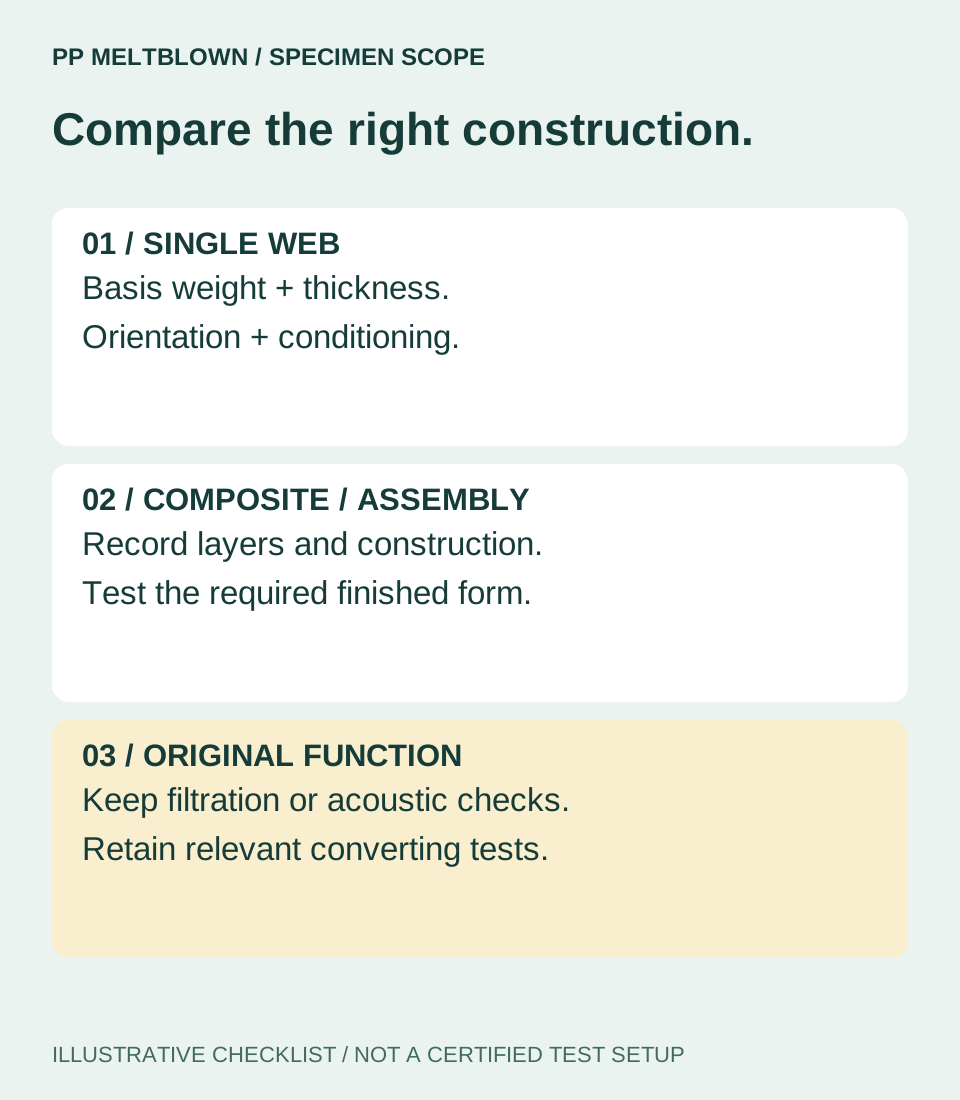
A low-basis-weight meltblown web, a laminated filter medium and an automotive acoustic assembly are different specimens. Record basis weight, thickness, number of layers, orientation, conditioning and whether the material is tested alone or as part of a composite.
Review color, filler and the complete formulation together
Pigments, fillers, processing aids and other additives can change burning behavior and meltblown process stability. Do not qualify the flame-retardant route in an isolated natural-color sample and assume the same result for a filled or colored formulation. The final additive package should be trialed as one system.
Protect the meltblown process window
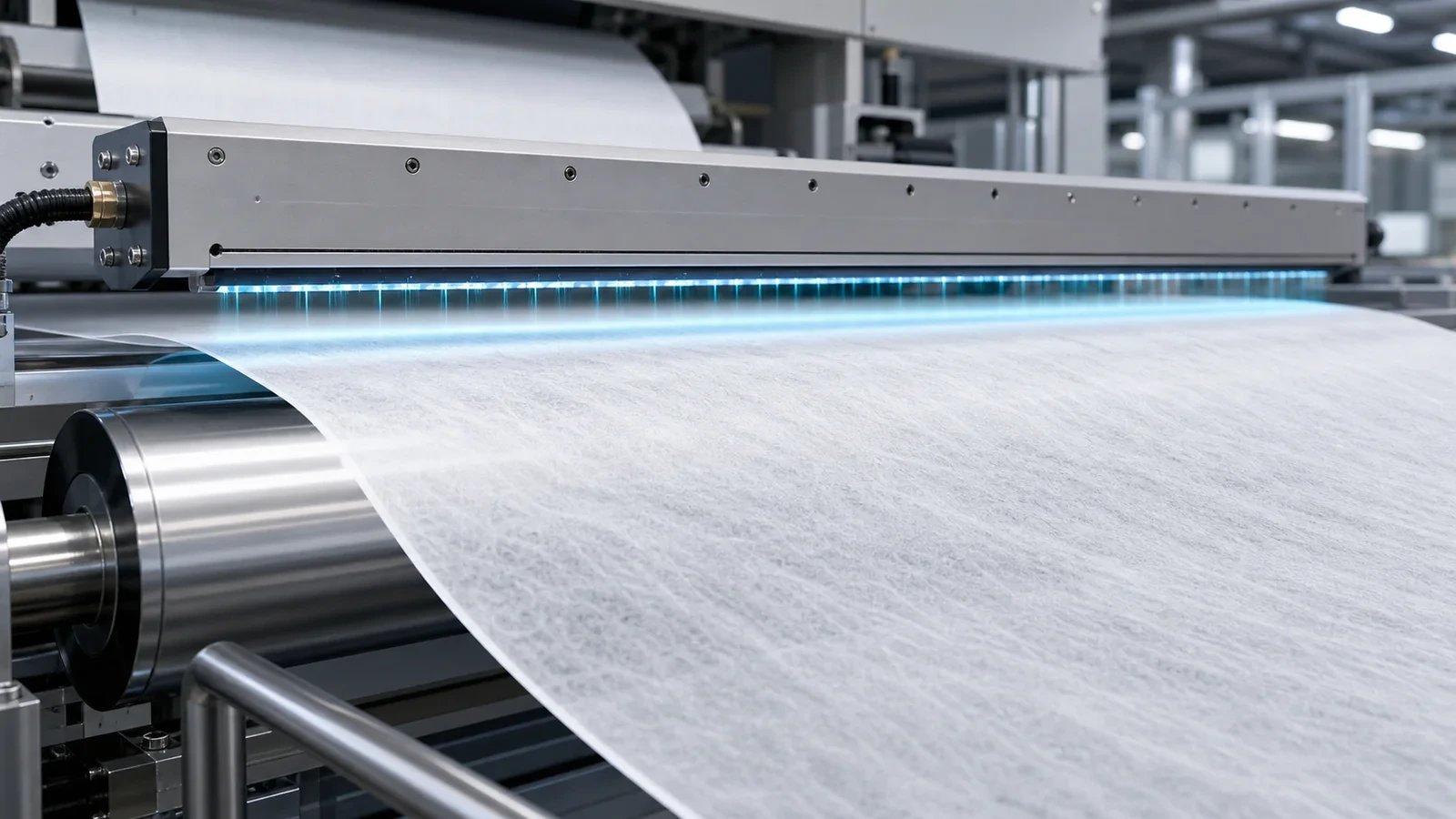
A flame-retardant package can influence flow, thermal history, deposits, pressure and fiber formation. Monitor extrusion stability, die condition, web uniformity and the baseline operating window during the trial. A passing small specimen is not useful if the formulation cannot be processed consistently.
Keep the original end-use performance in the acceptance plan
For filtration media, retain the relevant efficiency and pressure-drop checks. For acoustic or automotive constructions, retain the required acoustic, mechanical, odor, fogging, lamination or other customer tests. Flame response is one part of the finished-material approval, not a replacement for the original function.
A practical first-review checklist
Share the end use, standard and acceptance criteria, PP resin/MFI, web or composite construction, basis weight, thickness, complete additive/color package and all process or finished-material limits that must remain acceptable.
- End use and exact flame-test method
- Specimen orientation and ignition route
- Basis weight, thickness and layer construction
- PP resin, MFI and complete additive package
- Meltblown pressure and fiber-formation baseline
- Filtration, acoustic or converting acceptance tests