Begin by naming the UV problem
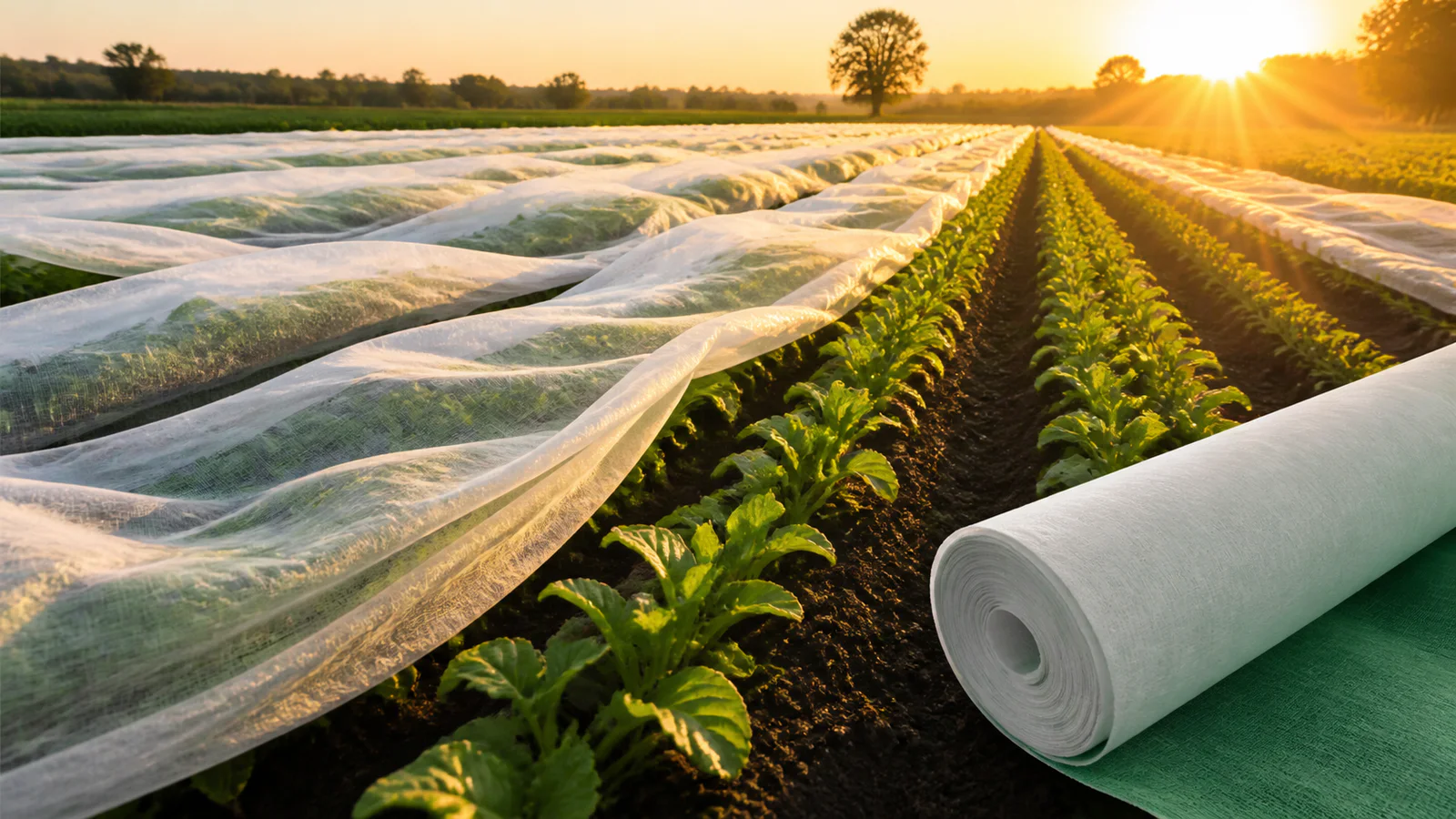
A request for “UV protection” can mean at least two different things. One buyer may want the fabric to block ultraviolet radiation from passing through it; another may want the PP fabric to retain useful properties after outdoor exposure. These are different targets and should not share one unqualified claim.
For fabric shielding, agree the transmission or UPF method and the condition of the specimen. For durability, define the exposure cycle and the property that must be retained after exposure.
Fabric construction is part of a UV-blocking result
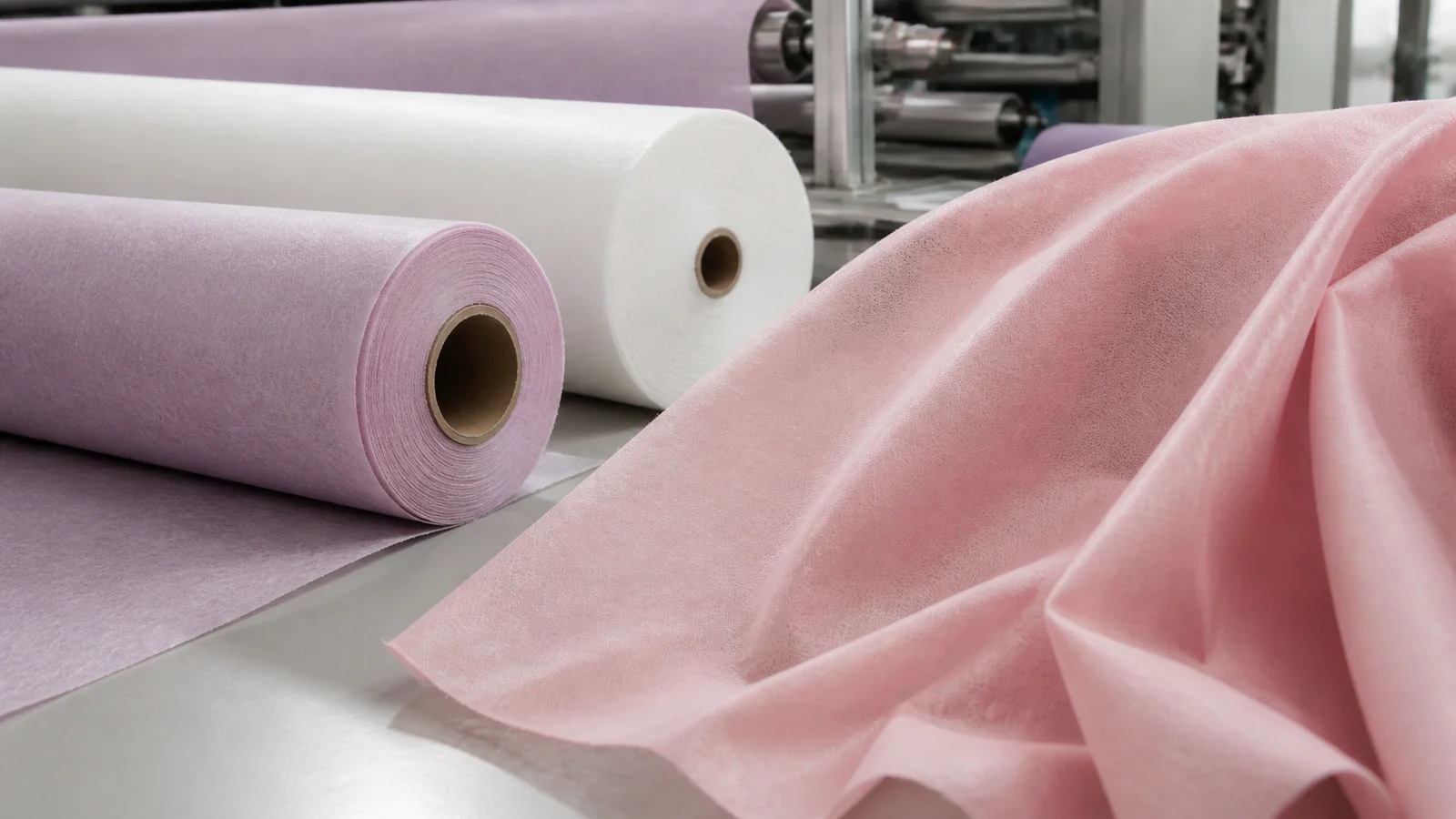
Basis weight, coverage, filament and bond structure, color, pigments and the final layer construction can influence how much ultraviolet radiation passes through a nonwoven. A result from one structure should not be treated as a guarantee for a lighter, differently colored or stretched fabric.
Weathering needs an exposure cycle and an endpoint
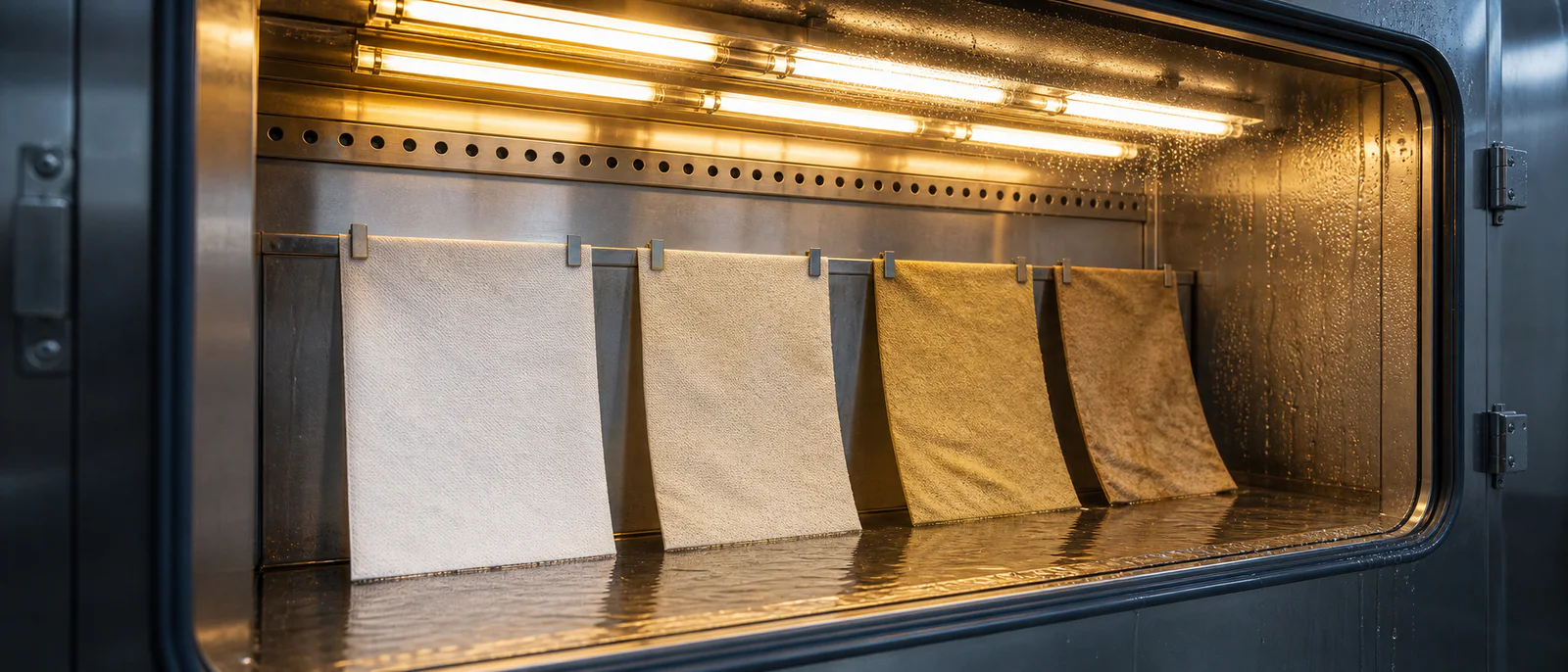
Laboratory weathering can combine ultraviolet radiation with heat and water or condensation. The report should name the lamp or light source, cycle, temperature, moisture conditions, duration and specimen orientation. It should also define what is evaluated afterward, such as tensile retention, elongation, color change or another end-use property.
Exposure hours are not a universal outdoor lifetime
Accelerated exposure is useful for controlled comparisons, but a number of laboratory hours should not be converted directly into months or years outdoors without a validated correlation. Climate, orientation, pollution, chemicals and real wet-dry cycles can change field performance. A control material tested in the same program makes the comparison more useful.
Review the complete additive and color package
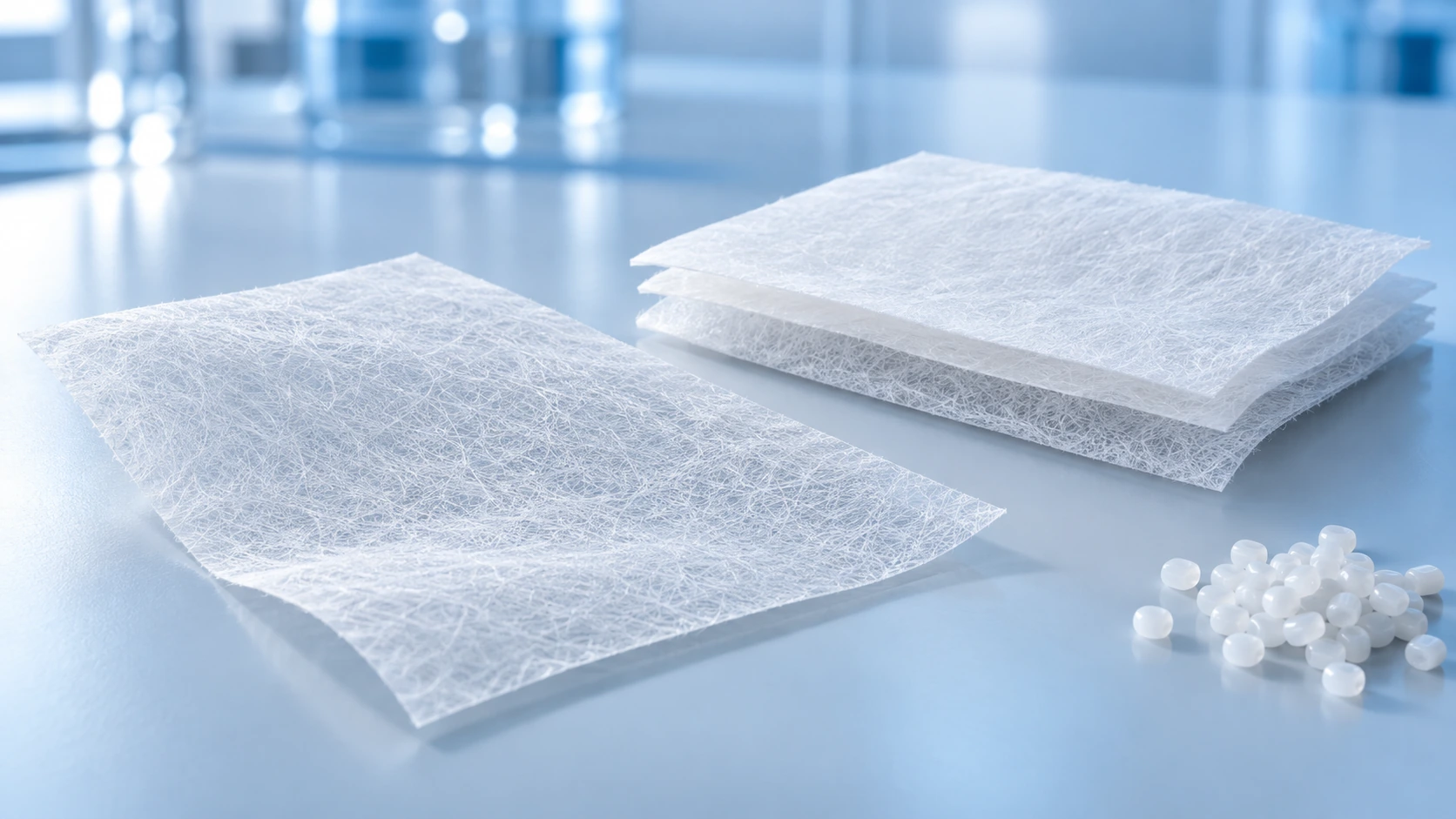
The PP resin, pigment, filler, flame-retardant package, processing history and other stabilizers can change the final result. Share the complete formulation route and the destination market so compatibility, color shift and the correct verification plan can be reviewed before a trial.
A practical first-review checklist
A faster review starts with the finished-fabric target rather than a universal dosage. Send the application, fabric structure, color, basis weight, exposure environment, test method and acceptance endpoint.
- UV transmission or weathering-retention target
- PP resin and existing additive package
- Fabric structure, basis weight and color
- Exposure source, cycle and duration
- Property and acceptance limit after exposure
- Destination market and outdoor environment